DO IT RIGHT

Latest Impact Statistics

0

Total number of returns

0 kg

Total weight Disposed

0

Number of Drop Off Points

Ready to begin your application?

Average completion time: 20–30 minutes.

Introduction & Objectives

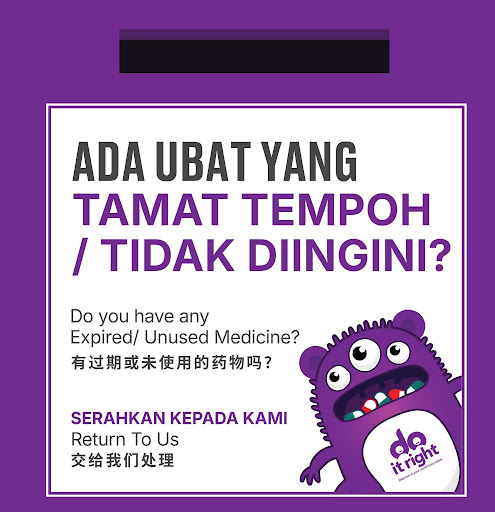
Do It Right began in 2020 as a pilot program in collaboration with the University of Malaya (under the “Safe D.U.M.P” program) across 20 selected stores. By 2022, it was rebranded and expanded as Do It Right to all CARiNG, Georgetown, and Wellings Pharmacy outlets nationwide. The primary objective is to prevent “pharmaceutical pollution”—the contamination of water systems and soil that occurs when people flush pills or toss them in the trash—and to reduce the risk of accidental poisoning or misuse of expired drugs within households.

The Big Caring Group expanded its “Do It Right” project in 2025 to include BIG Pharmacy and Ting Pharmacy. This initiative has grown significantly, making it one of the largest medication take-back schemes in Malaysia.

Impact & Execution

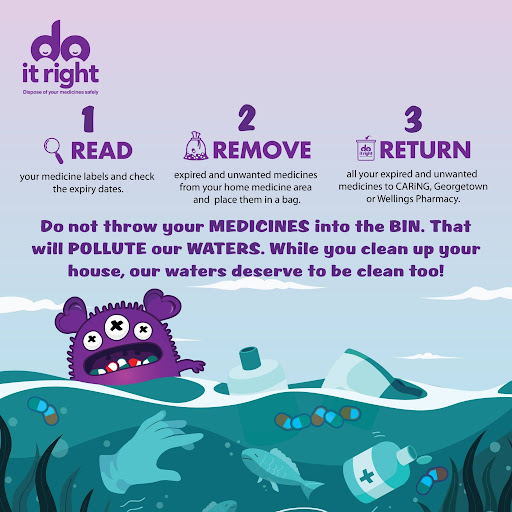
The project has had a significant community impact, collecting hundreds of kilograms of medical waste annually that would otherwise end up in landfills or the water supply. It simplifies the process for the public through a three-step “Read, Remove, Return” model: customers check for expired meds, remove personal info from packaging, and drop them into designated collection bins. By providing a professional incineration path for these chemicals, the project has set a benchmark for corporate environmental responsibility in the Malaysian retail pharmacy sector.

Project Overview

Consequences of Improper Medicine Disposal Pharmaceutical Waste in Malaysia Waste Policy “Do It Right” Programme: Procedure for Returning Unwanted and Expired Medicines The 3R Principle and Proper Handling of Returned Medicines Categories of Medicines Eligible for Return MyMediSAFE and the Government’s Medicine Return Initiative
Consequences of Improper Medicine Disposal

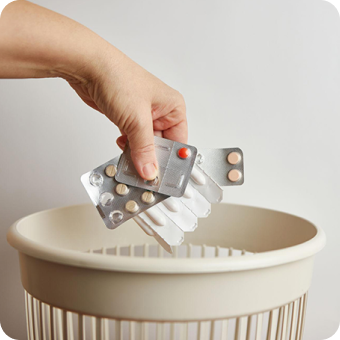
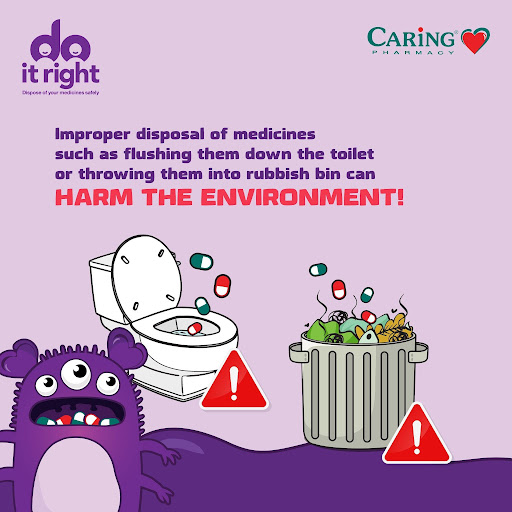
Improperly disposing of medicine by flushing it or tossing it in the rubbish bin creates severe environmental and health hazards. Because sewage treatment plants are not equipped to filter out complex pharmaceuticals, flushed medications pass directly into waterways, contaminating aquatic ecosystems and sneaking into municipal drinking water. Meanwhile, discarded pills in landfills leach into groundwater and threaten wildlife. This chronic chemical exposure disrupts animal reproduction, alters behavior, and accelerates antimicrobial resistance, creating untreatable superbugs. 

Pharmaceutical Waste in Malaysia Waste Policy

Per Malaysia’s 2005 Regulations, pharmacy waste like expired drugs is classified as SW 403, requiring strict oversight.

DOE compliance mandates three protocols:

  1. Packaging: Use durable, leak-proof, non-reactive containers.
  2. Labelling: Apply DOE hazard labels with SW 403 codes and generation dates.
  3. Storage: Use secure, weather-protected areas with secondary containment.

Disposal must be logged via eSWIS and handled exclusively by licensed contractors to avoid penalties.

“Do It Right” Programme: Procedure for Returning Unwanted and Expired Medicines

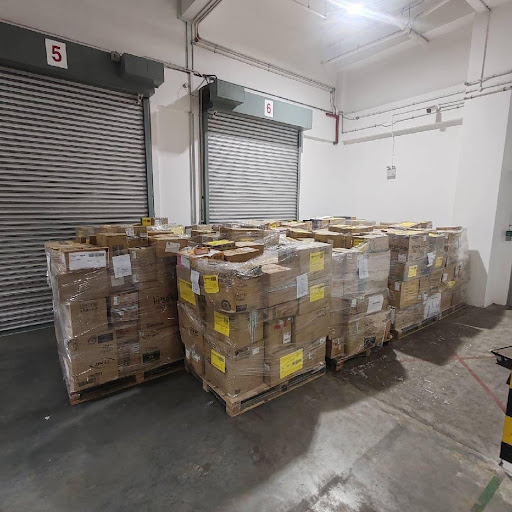
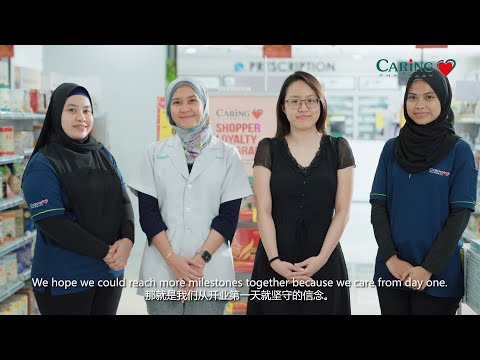
BIG CARING Group actively champions the “Do It Right” Programme by providing accessible, secure drop-off bins across its retail stores for safe medicine disposal. Frontline pharmacists educate the community on sorting waste and protecting privacy. Behind the scenes, BIG CARING Group enforces a strict chain of custody, securely storing and consolidating collected medications at their central warehouse. To ensure environmental safety, they partner with licensed hazardous waste services to transport the pharmaceuticals for high-temperature incineration. This comprehensive effort successfully prevents medication misuse and environmental contamination, bridging the gap between community retail healthcare and sustainable eco-protection.

The 3R Principle and Proper Handling of Returned Medicines
  1. READ: Consumers must read their medicine labels and proactively check the expiry dates of items sitting in their cabinets.
  2. REMOVE: Consumers should remove all expired, unlabelled, damaged, or no longer needed medicines from their storage.
  3. RETURN: Consumers return these gathered medicines to a designated CARING Pharmacy drop-off point for safe, high-temperature incineration.
Categories of Medicines Eligible for Return

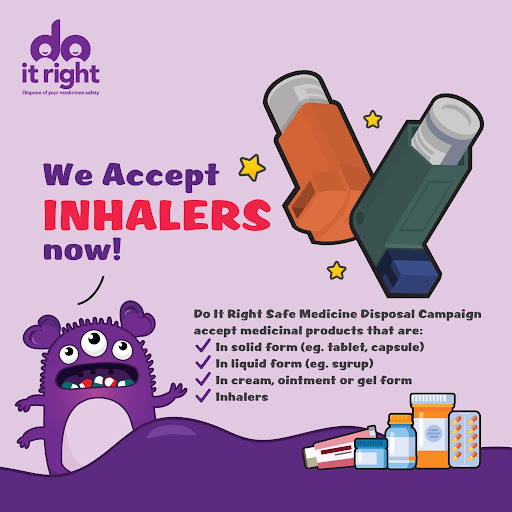
The “Do It Right” Programme accepts a wide range of expired or unwanted pharmaceuticals to prevent environmental and public health risks. Eligible items include oral medications (tablets, capsules), liquid syrups, topical creams/ointments, eye/ear drops, suppositories, and health supplements.

However, certain categories are strictly excluded due to safety and regulatory hazards. Ineligible items include biohazardous waste, and sharps (needles, syringes) that pose puncture risks. Consumers must also exclude bulk outer packaging like cardboard boxes, which should be recycled at home to keep the disposal process efficient.

MyMediSAFE and the Government’s Medicine Return Initiative

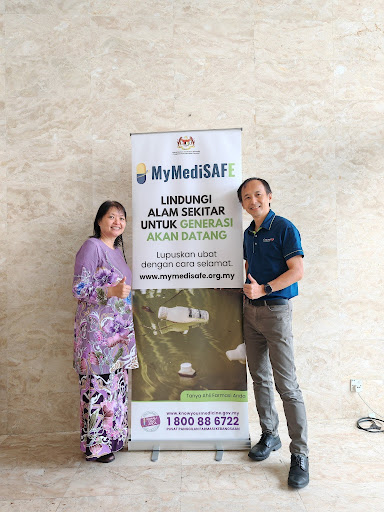
MyMediSAFE is a national-level public health and environmental initiative in Malaysia dedicated to educating the public on the correct, safe way to dispose of unused, damaged, or expired medications.

Rather than acting as a standalone program, it serves as the official national framework that unites the government, private healthcare entities, and retail chains (like CARING Pharmacy through their “Do It Right” campaign) under a single mission.

Key Collaborators and Outreach

The "Do It Right" project, spearheaded by BCG, relies on strong partnerships across various sectors to promote the safe disposal of unused and expired medicines:
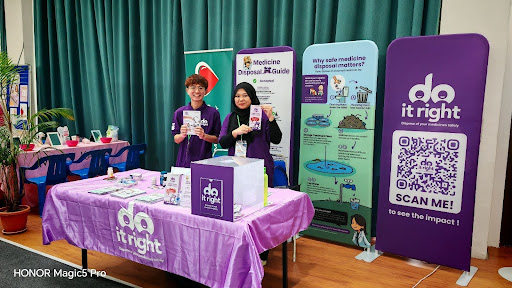
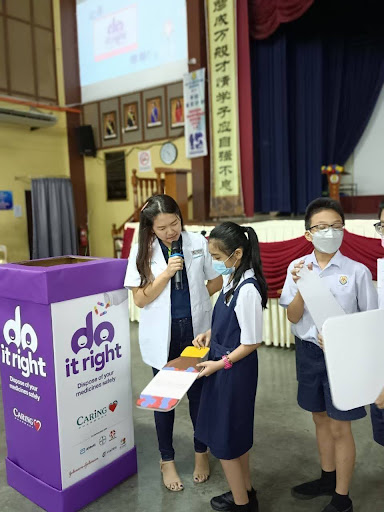
Government & Public Health Bodies Academic Institutions (Schools & Universities) Corporate Sector & HR Networks Environmental Non-Governmental Organizations (NGOs) Community Engagement & Shopping Centers Media Partners
Government & Public Health Bodies

BCG has established a close working relationship with MyMediSAFE, integrating all BCG stores as official collection points. Furthermore, BCG is an active partner with Bahagian Farmasi in supporting and executing awareness campaigns.

Academic Institutions (Schools & Universities)

The foundation of the “Do It Right” project is the Safe D.U.M.P programme developed by Universiti Malaya, with whom BCG maintains a close partnership. Annually, the project engages with pharmacy schools at institutions such as Nottingham University, Sunway University, UCSI, and HELP to conduct promotional activities and raise awareness about proper medicine disposal.

Corporate Sector & HR Networks

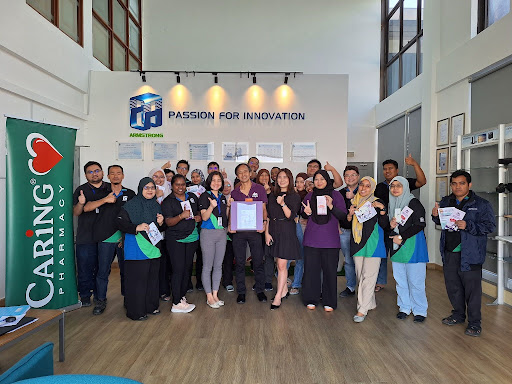
BCG conducts yearly outreach to numerous corporate offices, collecting unused and expired medicines from employees. This initiative is coupled with educational efforts, encouraging employees to inspect and clean out their medicine cabinets and utilize the nearest BIG and CARING stores for disposal.

Environmental Non-Governmental Organizations (NGOs)

Recognizing that many NGOs lack awareness regarding proper medicine disposal, BCG actively engages in bilateral dialogues with environmental groups, including Tzu Chi, WWF, and CAN, to facilitate knowledge exchange.

Community Engagement & Shopping Centers

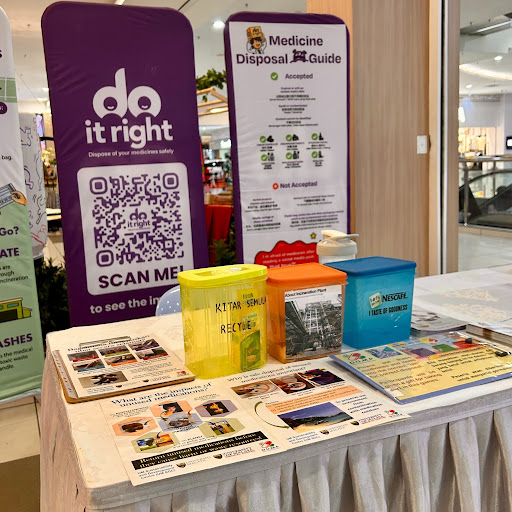
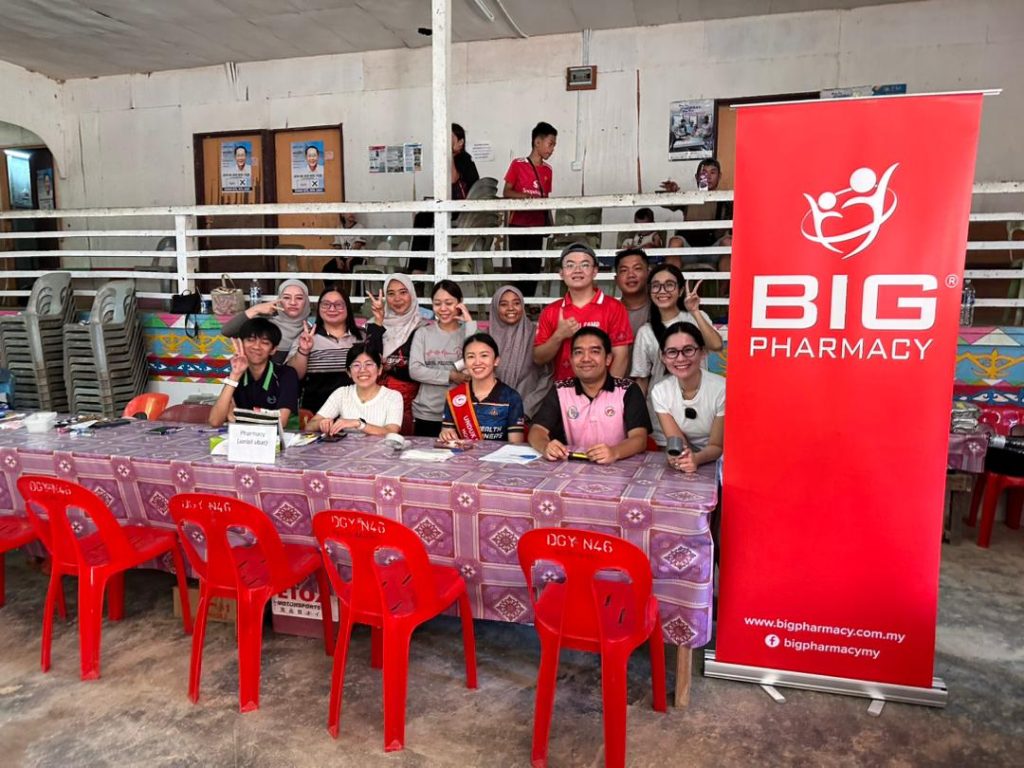
By mobilizing local area resources, BCG is frequently invited to establish collection drives and educational booths during community environmental and recycling events, such as Earth Day.

Media Partners

BCG collaborates with various media outlets, including print media (e.g., Sin Chew) and television (e.g., Astro), to amplify public awareness about the risks associated with improper disposal of expired medicines. The initiative also receives promotion from numerous social media influencers and mini-influencers.

Impact & Execution
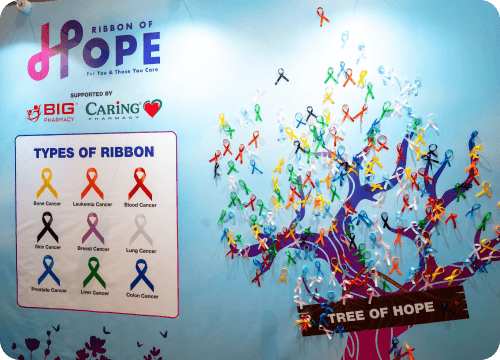
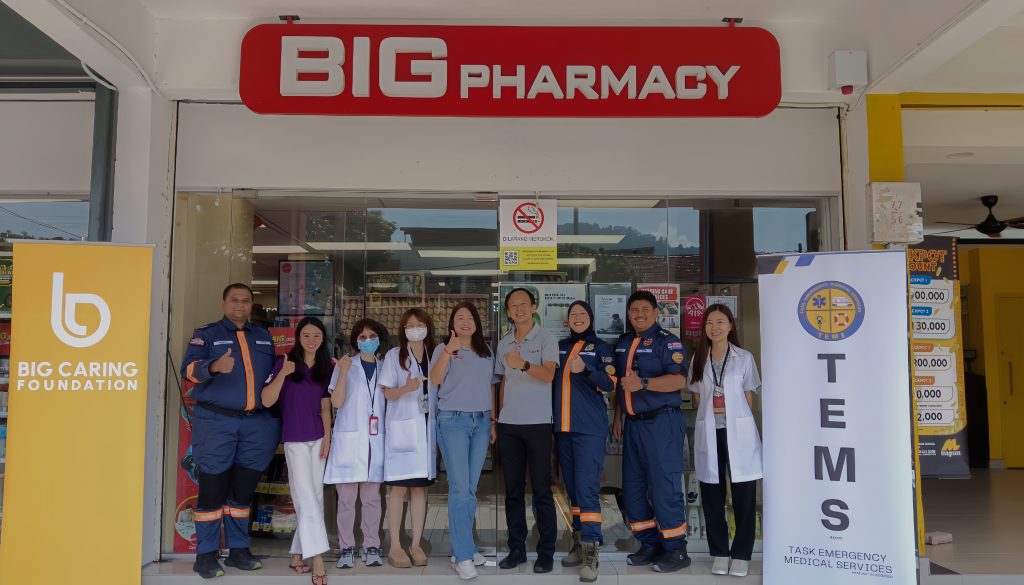
The Supply of Medicines to Indigenous or Less-fortunate Entities (SMILE) project is executed through a structured collaboration between Big Caring Group (BCG) and various non-governmental organizations (NGOs). By providing targeted medical subsidies and aid kits, SMILE directly addresses healthcare disparities in indigenous and less-fortunate communities.

Several organizations supported by the SMILE project:

  • Malaysia Relief Agency
  • Task Emergency Medical Services (TEMS)
  • St. John Ambulance (SJAM)
  • Global Peace Foundation Malaysia
  • Persatuan Kebajikan Hope Worldwide Malaysia
  • Baiduri Medical Care Society Of KL & SEL
  • Rotary Club of Kinabalu South
  • Family Care Clinic Dr. Muhammad Farid (Padimas)
  • Sabah Anti-tuberculosis Association
  • Kechara Kitchen

How Does It Work?

Lorem ipsum dolor sit amet, consectetur adipiscing elit, sed do eiusmod tempor incididunt ut labore et dolore magna aliqua. Ut enim ad minim veniam, quis nostrud exercitation ullamco laboris nisi ut aliquip ex ea commodo consequat. Duis aute irure dolor in reprehenderit in voluptate velit esse cillum dolore eu fugiat nulla pariatur. Excepteur sint occaecat cupidatat non proident, sunt in culpa qui officia deserunt mollit anim id est laborum.

Watch Our Official Video

ROH 5
ROH 4
ROH 3
ROH 2
ROH 1

In Collaboration With

Collaboration

How Does It Work?

Do It Right collaborated closely with MyMediSAFE and listed all BCG stores as collection points. BCG has also been an active partner with Bahagain Farmasi in any awareness campaigns. 

Key Collaborators and Outreach

BCG has established a close working relationship with MyMediSAFE, integrating all BCG stores as official collection points. Furthermore, BCG is an active partner with Bahagian Farmasi in supporting and executing awareness campaigns.

How Does It Work?

BCG has been working closely with Universiti Malaya and The “Do It Right” project is built on the Safe D.U.M.P programme from Universiti Malaya. Every year, Do It Right went to institutions and participated with the pharmacy schools in promoting the awareness of proper disposal of medicines. These includes Nottingham University, Sunway University, UCSI and HELP to name a few.  

Key Collaborators and Outreach

The foundation of the “Do It Right” project is the Safe D.U.M.P programme developed by Universiti Malaya, with whom BCG maintains a close partnership. Annually, the project engages with pharmacy schools at institutions such as Nottingham University, Sunway University, UCSI, and HELP to conduct promotional activities and raise awareness about proper medicine disposal.

How Does It Work?

Every year, BCG walks into many corporate offices to collect unused and expired medicines from their employees besides educating them to check, clean out their medicine cabinet and return expired medicines to their nearest BIG and CARING stores. 

Key Collaborators and Outreach

BCG conducts yearly outreach to numerous corporate offices, collecting unused and expired medicines from employees. This initiative is coupled with educational efforts, encouraging employees to inspect and clean out their medicine cabinets and utilize the nearest BIG and CARING stores for disposal.

How Does It Work?

Many NGOs are not aware of the proper disposal of medicines, BCG is actively having bilateral dialogue with environmental groups to exchange knowledge. These include Tzu Chi, WWF and CAN. 

Key Collaborators and Outreach

Recognizing that many NGOs lack awareness regarding proper medicine disposal, BCG actively engages in bilateral dialogues with environmental groups, including Tzu Chi, WWF, and CAN, to facilitate knowledge exchange.

How Does It Work?

By engaging the area man power resources, BCG is consistently being invited to set up collection drives and education booths during environmental or recycling events e.g. earth day.

Key Collaborators and Outreach

By mobilizing local area resources, BCG is frequently invited to establish collection drives and educational booths during community environmental and recycling events, such as Earth Day.

How Does It Work?

Print media e.g. Sin Chew and TV media e.g. Astro has been collaborating with BCG to increase public awareness on the detrimental effects of improper disposal of expired medicines. Not to mention there are a lot of influencers, mini influencers promoting this good initiative via their own platform. 

Key Collaborators and Outreach

BCG collaborates with various media outlets, including print media (e.g., Sin Chew) and television (e.g., Astro), to amplify public awareness about the risks associated with improper disposal of expired medicines. The initiative also receives promotion from numerous social media influencers and mini-influencers.